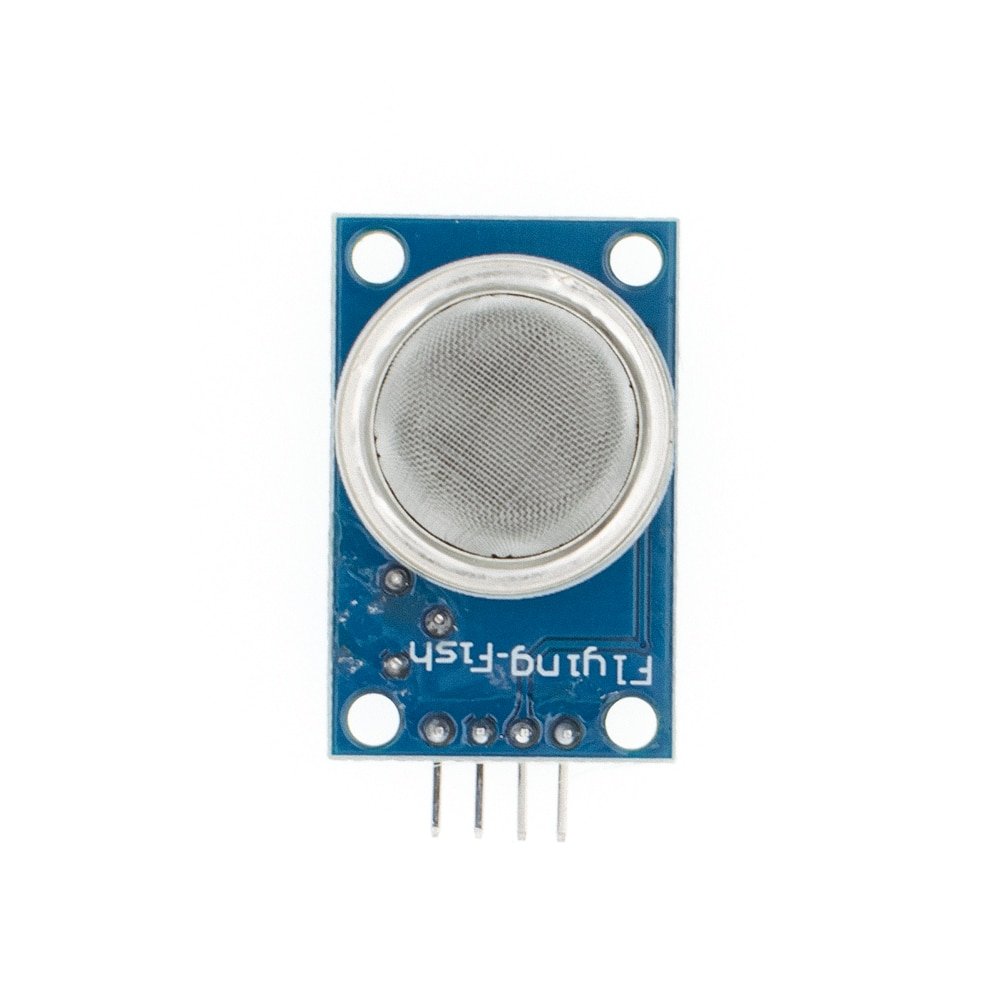


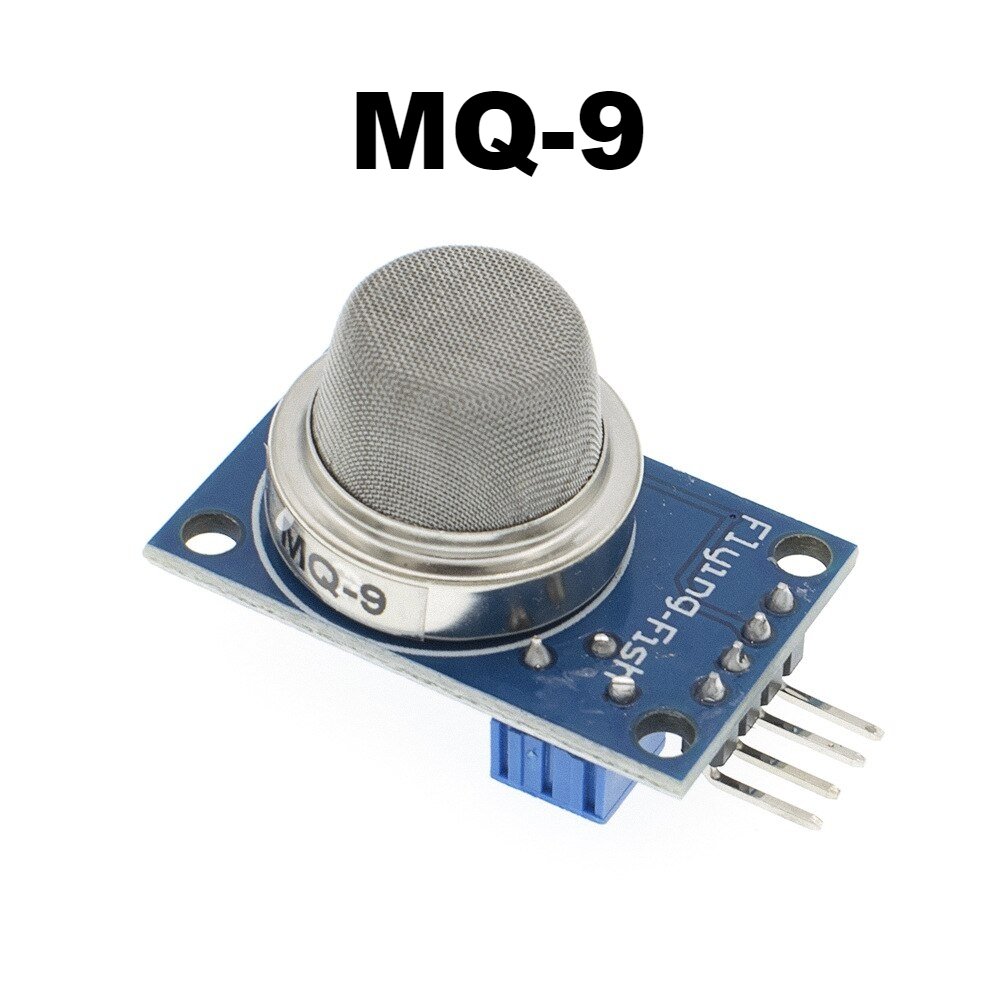
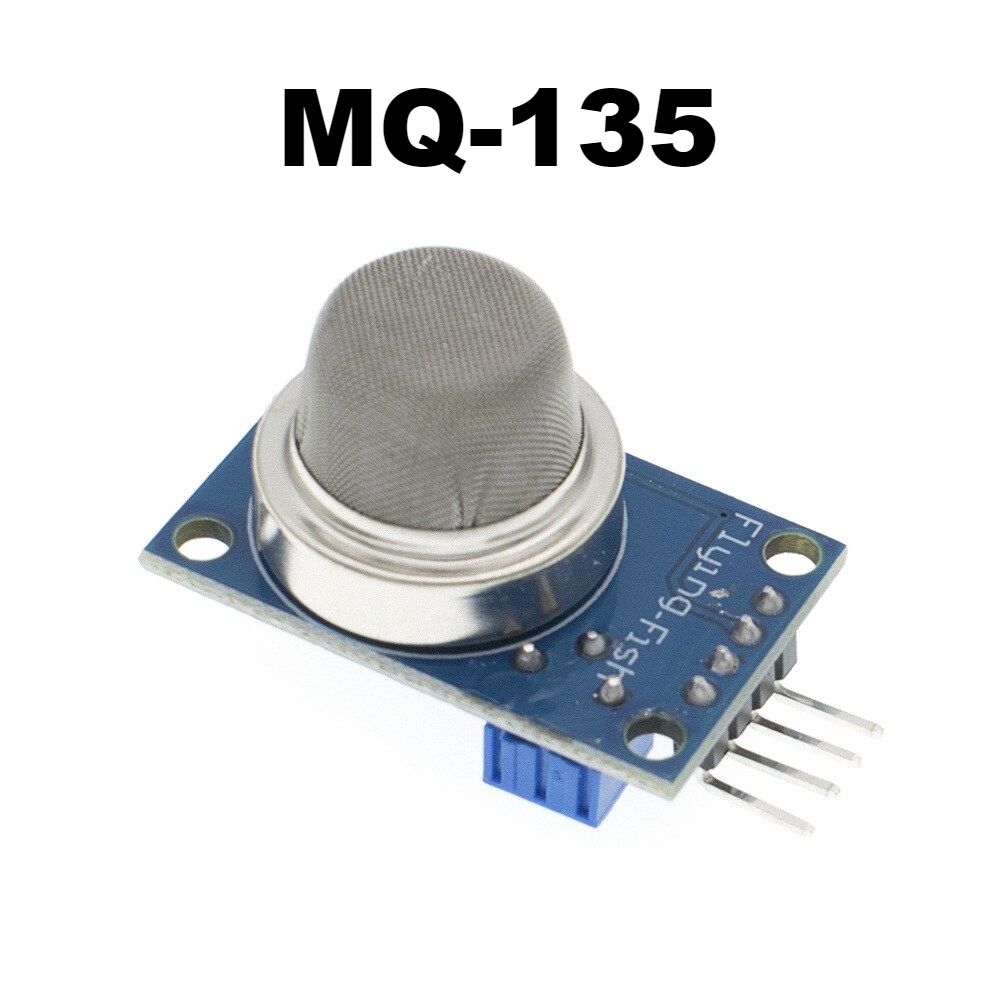
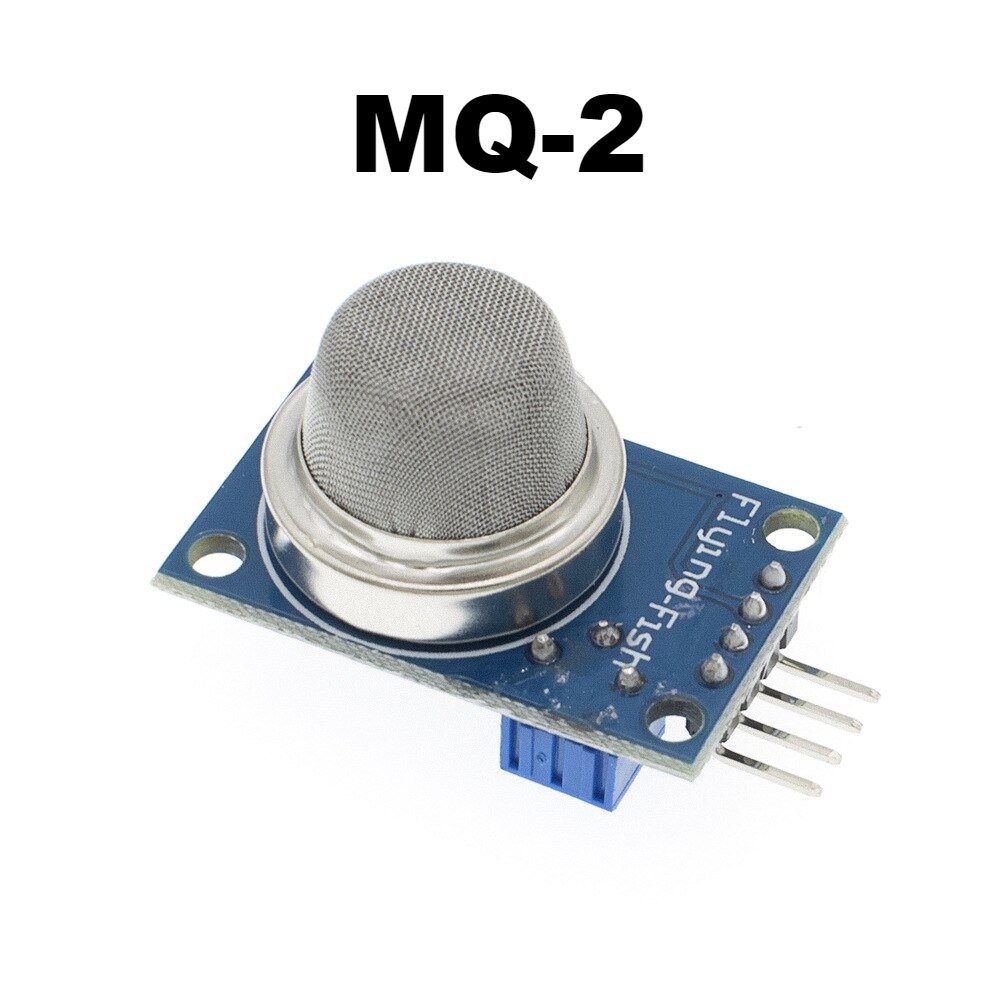








MQ Series Gas Sensor Modules for Arduino — Smoke, CO, LPG, Methane and More
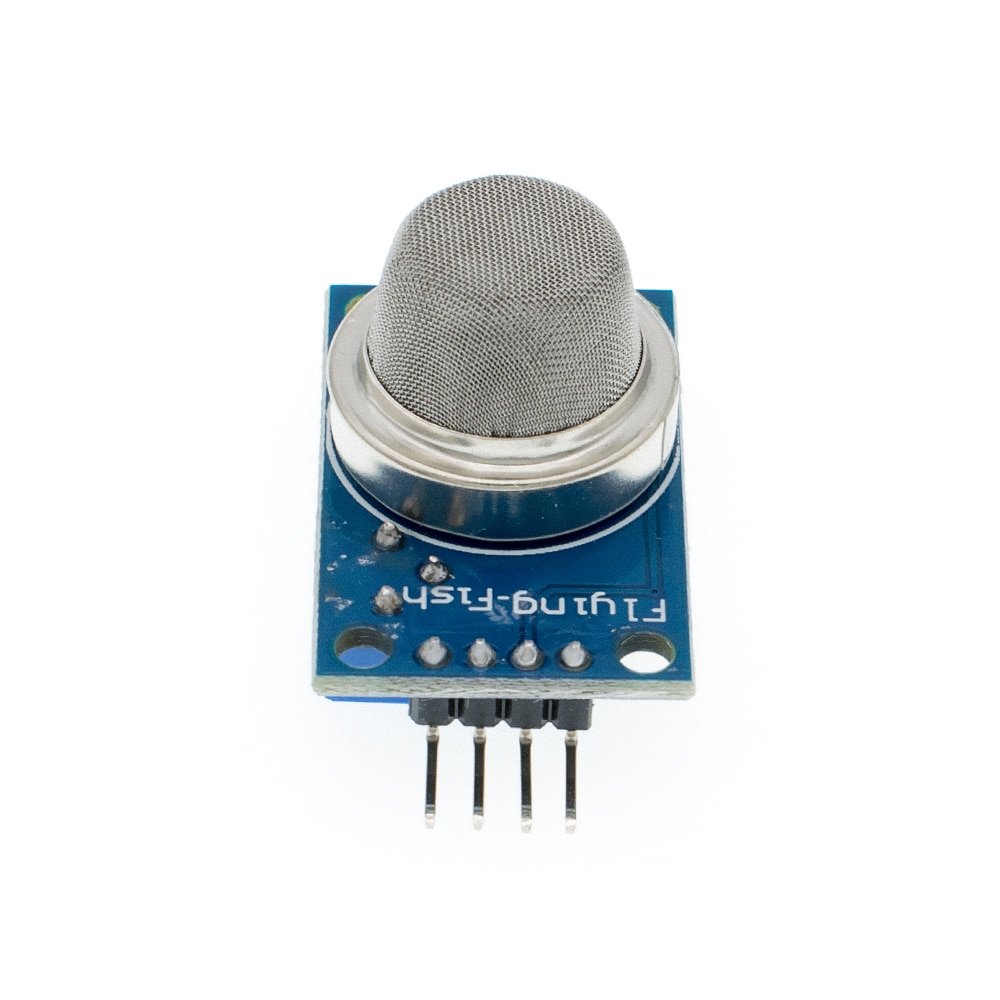
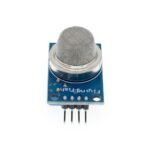
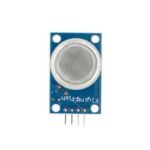
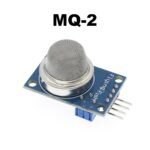
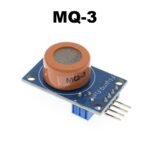
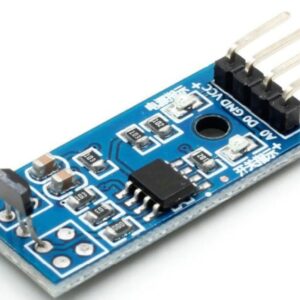
MQ series gas sensors detect specific gases using heated tin dioxide (SnO2) sensing elements — resistance decreases when the target gas is present, providing an analogue voltage output proportional to concentration. Different MQ numbers cover different target gases: MQ-2 (flammable gases, smoke), MQ-3 (alcohol), MQ-5 (LPG and natural gas), MQ-7 (carbon monoxide), MQ-9 (CO and flammable gases), MQ-135 (air quality — ammonia, benzene, CO2). All share the same 4-pin module footprint with digital and analogue outputs.
- Analogue output — proportional to gas concentration
- Digital output — threshold alarm, set by onboard potentiometer
- 5V supply — heater draws approximately 150mA during warm-up
- 60-second warm-up time — readings unreliable before heater stabilises
- Not calibrated from factory — requires calibration against known concentration for accurate ppm values
| Sensor | Target Gas |
|---|---|
| MQ-2 | Smoke, LPG, propane, methane, hydrogen |
| MQ-3 | Alcohol vapour (ethanol) |
| MQ-5 | LPG, natural gas, city gas |
| MQ-7 | Carbon monoxide (CO) |
| MQ-9 | CO and combustible gases |
| MQ-135 | Air quality — ammonia, benzene, CO2, alcohol |
How do you convert the MQ output to ppm?
Read the analogue output into an Arduino ADC, calculate Rs (sensor resistance) from the voltage divider, divide Rs by Ro (resistance in clean air — measured during calibration), and look up the resulting ratio on the sensor's datasheet sensitivity curve. The MQUnifiedsensor library handles this calculation with a calibration constant you supply.
Best for
Smoke alarm prototypes, gas leak detectors, breath alcohol detectors, air quality dashboards, greenhouse CO2 monitors, laboratory gas detection, and classroom chemistry fume sensors.
Why Kunkune
Shipped from UK stock. 60-day returns, no minimum order. Fast Royal Mail delivery.
Buying in bulk? For orders of 10+ units, contact us for trade pricing.