

Desoldering Stations | Rework Equipment
Check our soldering stations, soldering kits and hot air rework stations to find best equipments for hobbyist. All come with 12 month guarantee and 60 days return period.
Showing all 6 resultsSorted by price: high to low
- Original price was: £9.90.£5.90Current price is: £5.90.Select options This product has multiple variants. The options may be chosen on the product page
- Original price was: £9.90.£5.90Current price is: £5.90.Select options This product has multiple variants. The options may be chosen on the product page
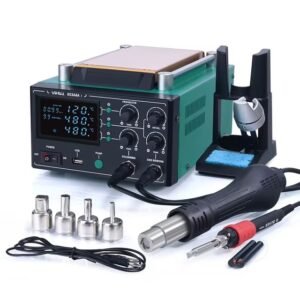
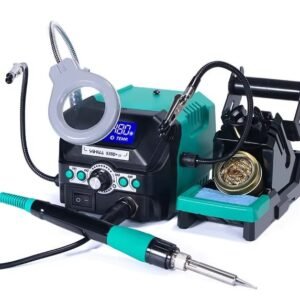
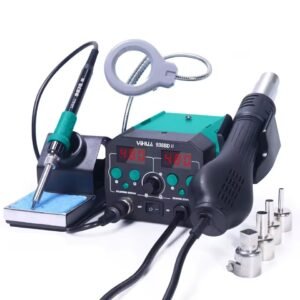


Showing all 6 resultsSorted by price: high to low
Why Hobbyists Need a Dedicated Desoldering Station
Removing solder with basic tools often damages pads, lifts traces, or leaves residue that compromises new joints. Dedicated desoldering stations solve these problems by applying controlled heat while simultaneously vacuuming molten solder away from the joint.
The integrated approach means faster, cleaner removal compared to manual methods like solder wick or spring-loaded suckers. Components come out intact, pads remain undamaged, and boards stay ready for new parts without extensive cleanup.
For hobbyists working on repairs, vintage electronics restoration, or component recovery, a desoldering station pays for itself quickly through saved time and reduced board damage.
How Desoldering Stations Work
A desoldering station combines two functions in one handpiece: a heated tip that melts solder and a vacuum pump that extracts the molten material.
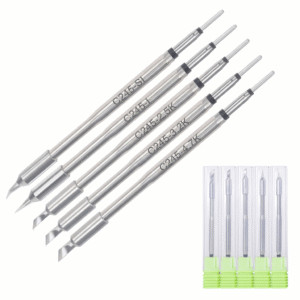
Check our Replacement Cartridge tips for Micro Soldering C210 and Precision tips C245
The heated nozzle contacts the solder joint, bringing it to melting temperature. Once the solder liquefies, the vacuum activates and pulls the molten solder through the hollow tip into a collection chamber. The joint clears in seconds, leaving the pad clean and ready for fresh solder or component removal.
Temperature control ensures the nozzle reaches the correct heat for the solder type without exceeding levels that damage components or boards. Adjustable settings accommodate both leaded solder at lower temperatures and lead-free solder requiring higher heat.
Common Applications for Hobbyists
Desoldering stations handle tasks that frustrate hobbyists using basic tools.
Through-Hole Component Removal
Multi-pin connectors, DIP chips, and discrete components with leads passing through the board require complete solder removal from each hole. Desoldering stations clear these joints efficiently, allowing components to lift out without force.
Vintage Electronics Restoration
Repairing classic equipment often means replacing aged capacitors, failed transistors, and corroded connectors. Clean desoldering preserves original boards while enabling component replacement that restores functionality.
Component Salvage and Recovery
Expensive or rare parts from donor boards gain new life when removed carefully. Desoldering stations extract components without the heat damage or bent pins that render salvaged parts unusable.
PCB Rework and Corrections
Mistakes happen during assembly. Desoldering stations allow clean removal of incorrectly placed components, enabling corrections without scrapping entire boards. As alternative desoldering pump is an option for smaller projects.
Prototype Development
Iterating on designs means frequent component changes. Quick, clean desoldering speeds the development cycle and keeps prototype boards in working condition through multiple revisions.
Temperature Guidelines for Effective Desoldering
Correct temperature ensures complete solder removal without board damage.
For leaded solder, set the station between 300–350°C. Lead-free solder requires higher temperatures, typically 350–400°C. These settings run slightly higher than soldering temperatures because the nozzle must transfer heat through existing solder to reach the joint beneath.
Allow the station to stabilise at target temperature before beginning work. Insufficient heat leaves solder partially molten, resulting in incomplete removal and clogged nozzles.
Excessive heat risks pad lifting, trace damage, and component failure. Start at moderate temperatures and increase only if solder fails to flow freely.
Desoldering Stations vs Manual Methods
Manual desoldering tools serve occasional needs but struggle with frequent use or demanding tasks.
Solder Wick
Copper braid absorbs molten solder through capillary action. While effective for small joints and surface cleanup, wick requires direct iron contact that risks pad damage. Large joints consume excessive wick and take considerable time.
Spring-Loaded Suckers
Handheld vacuum tools require two-hand operation: one for the iron, one for the sucker. Timing the release correctly while maintaining heat proves difficult. Suction power decreases as seals wear.
Desoldering Stations
Single-handed operation combines heat and vacuum in one tool. Consistent suction power, precise temperature control, and efficient workflow make stations superior for any task beyond occasional touch-ups.
Hobbyists performing regular repairs or component work benefit significantly from upgrading to a proper desoldering station.
Features That Matter for Hobbyist Use
Several characteristics distinguish capable desoldering stations from frustrating ones.
Temperature Stability
Consistent heat output ensures solder melts predictably. Stations that recover temperature quickly between joints maintain workflow efficiency.
Adequate Vacuum Power
Sufficient suction clears joints completely in one pass. Weak vacuum leaves residual solder that requires repeat attempts or manual cleanup.
Digital Temperature Display
Accurate readings allow precise settings for different solder types and board requirements. Digital displays eliminate guesswork inherent in analogue dials.
ESD Protection
Static discharge damages sensitive components. Properly grounded stations protect modern electronics during the desoldering process.
Comfortable Handpiece
Extended sessions demand ergonomic design. Lightweight handpieces with heat-isolated grips reduce fatigue and improve control.
Maintaining Your Desoldering Station
Regular maintenance ensures consistent performance and extends equipment lifespan.
Clear the collection chamber frequently to maintain vacuum strength. Accumulated solder restricts airflow and reduces suction power.
Clean the nozzle tip after each session. Residual solder inside the tip causes blockages that impair vacuum function and heat transfer.
Inspect seals periodically for wear. Degraded seals reduce suction and allow air leaks that compromise desoldering effectiveness.
Store the station properly when not in use. Protect the handpiece from impacts that damage the heating element or vacuum pathway.
What to Consider When Choosing a Desoldering Station
Quality affordable stations deliver reliable performance for hobbyist applications without professional-grade pricing.
Look for stations with stable temperature control, sufficient vacuum power, and robust construction. These factors determine real-world performance during actual desoldering work.
Digital temperature displays provide accuracy advantages over basic analogue controls. ESD-safe designs protect the sensitive components hobbyists typically work with.
Consider your typical projects when evaluating specifications. Basic repairs and occasional component removal require less capability than frequent rework or high-volume salvage operations.
Where to Buy Desoldering Stations in the UK
For hobbyists seeking affordable desoldering stations, Kunkune offers equipment suited to electronics repair, component recovery, and PCB rework. These stations deliver the temperature control and vacuum performance hobbyist applications demand, backed by UK-based customer support and fast shipping.
A fume extractor is strongly advised for health and safety when soldering, welding, or working with any process that generates airborne particles.