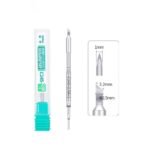

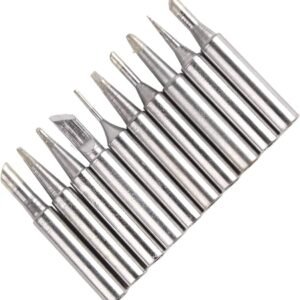


C245 Cartridges: JBC-Style Tips at a Fraction of the Price
140W peak | 150-450°C | 2-3 second heat-up | Fits any T245 handle | Five profiles stocked
The heating element and the temperature sensor live inside the cartridge itself rather than in the handle. That is the whole idea, and it is why a C245 reaches working temperature in two or three seconds and holds it when you drop onto a ground plane. It is the design JBC made its name on, and these are the compatible version.
Which C245 Tip Do You Need?
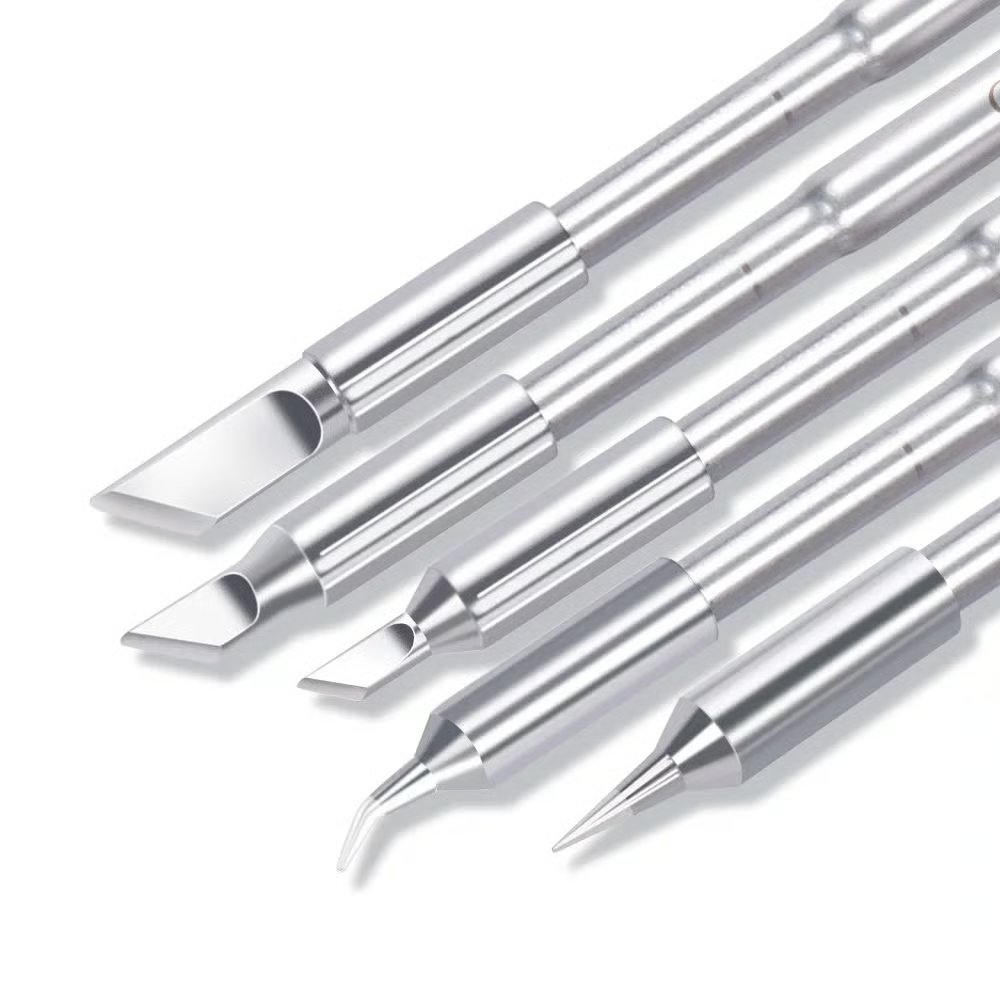
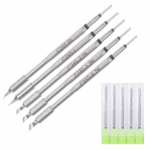
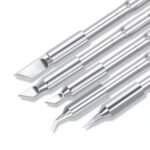
Five profiles, and the difference between them matters more than most people expect. Pick by the job, not by the price.
| Profile | Shape | Size | Best for |
|---|---|---|---|
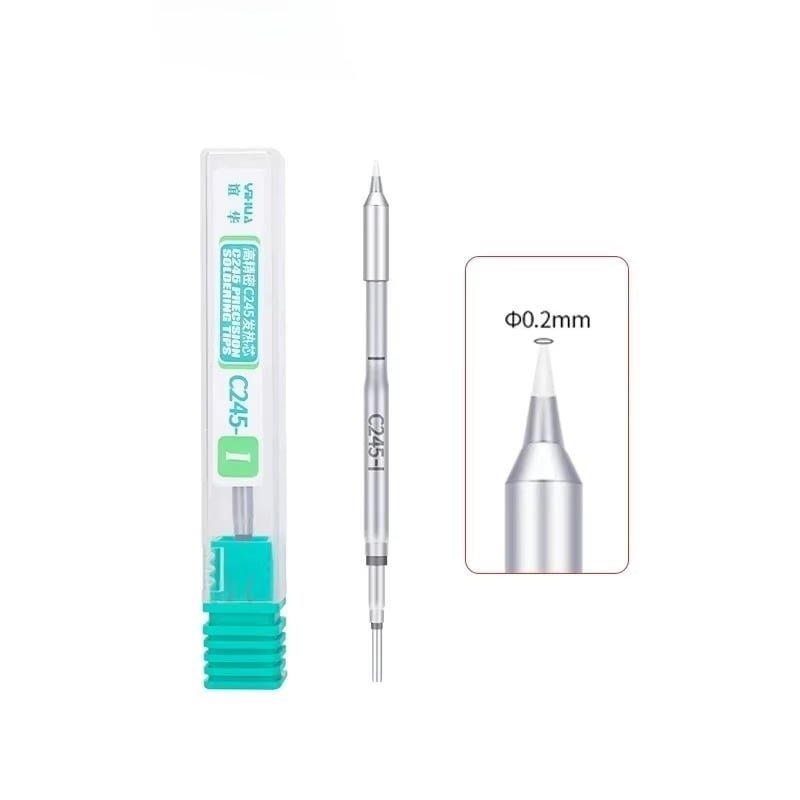
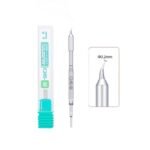
| C245-I | Conical | Fine point | Single pins, smaller SMD, precision work that still needs C245 heat |
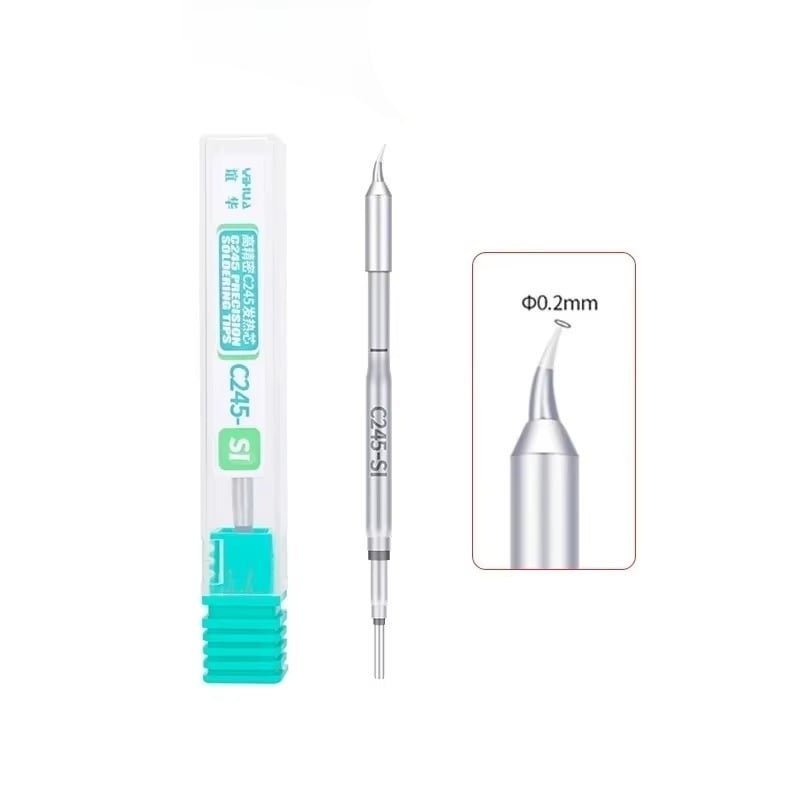
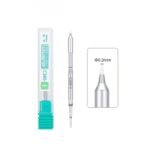
| C245-SI | Bent conical | 30° bend | Hidden leads and awkward angles where a straight tip cannot reach |
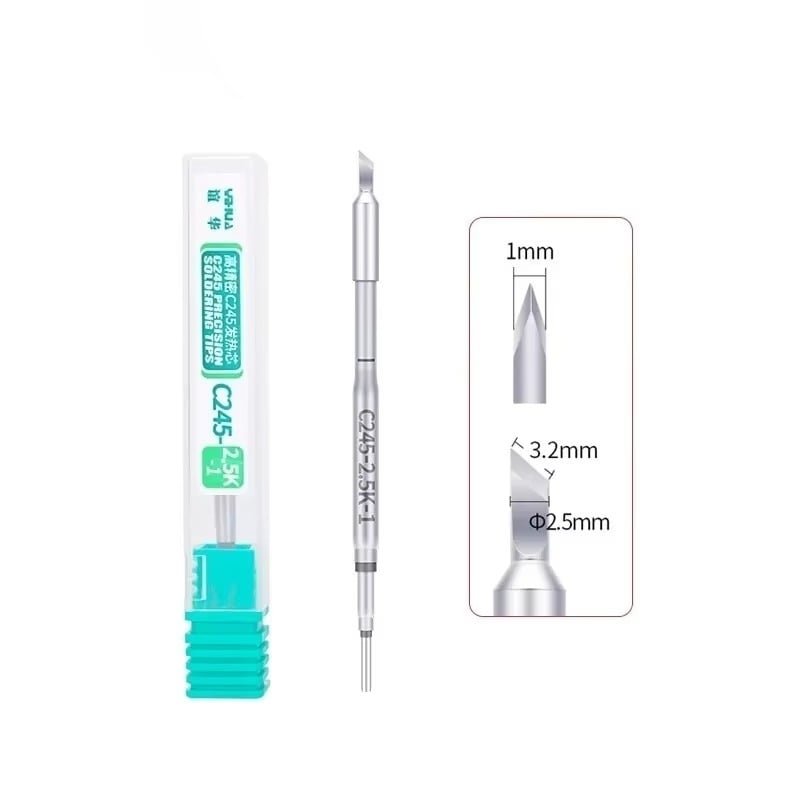
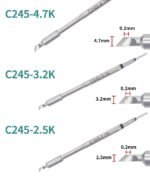
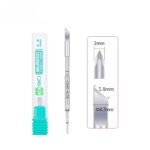
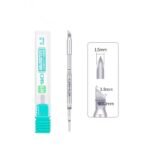
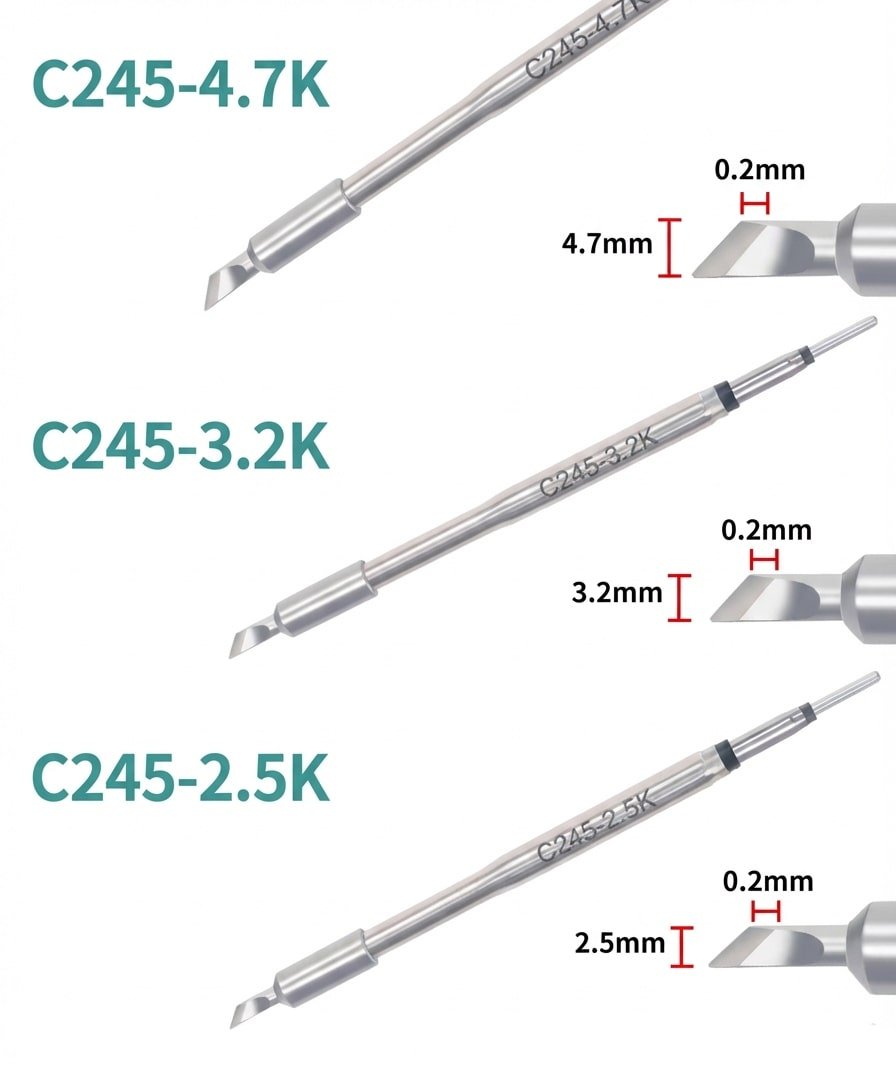
| C245-2.5K | Knife | 2.5 mm | Drag-soldering fine-pitch ICs and clearing solder bridges |
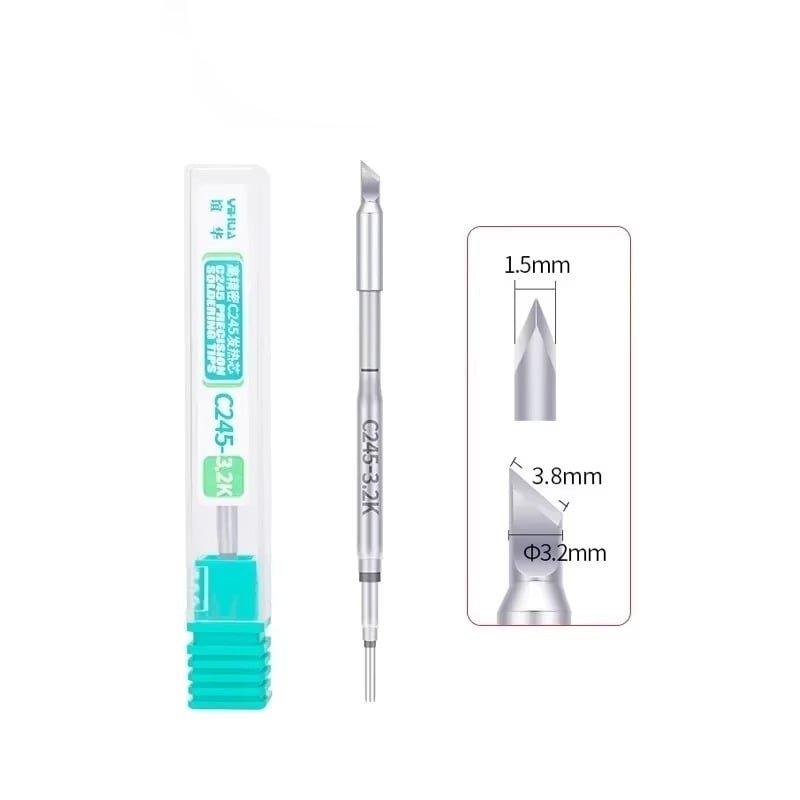
| C245-3.2K start here | Knife | 3.2 mm | The all-rounder. SOIC, small connectors, standard-pitch parts |
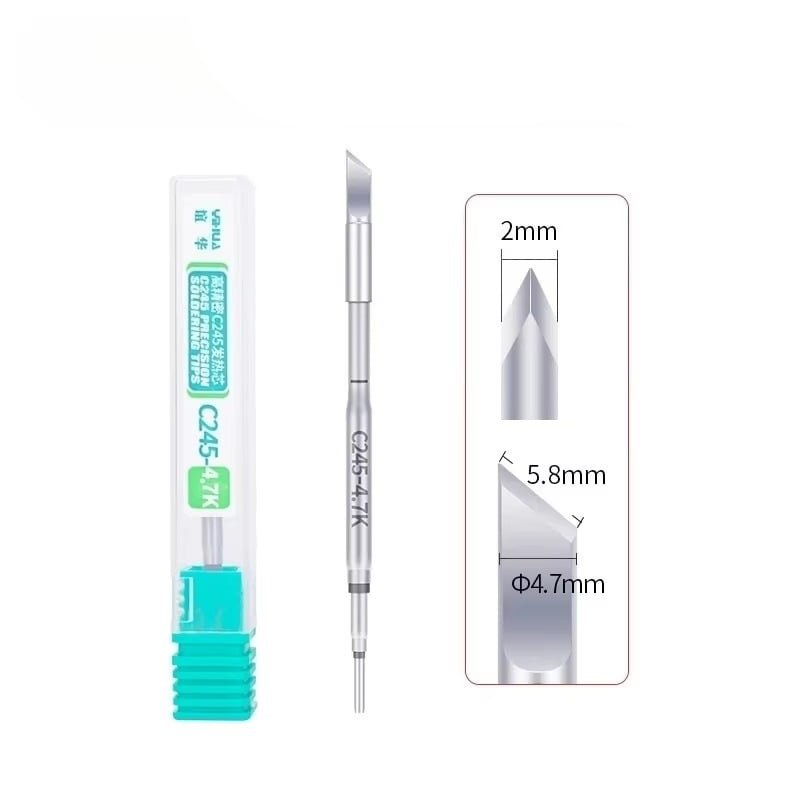
| C245-4.7K | Knife | 4.7 mm | Ground planes, wire tinning, chunky through-hole and heavy joints |
C245 or C210?
| C245 | C210 | |
|---|---|---|
| Peak power | 140W | 40W |
| Best for | Through-hole, connectors, wire, ground planes, larger SMD | Fine-pitch SMD, 0402 and smaller, dense boards |
| Tip size | Larger, more thermal mass | Slim, low thermal mass |
| Buy first? | Yes, for most people | Add later |
Most people start with C245 for general work and add C210 cartridges when a job demands genuinely fine precision. Between them they cover nearly everything. There is a fuller breakdown in our C210 vs C245 vs 900M tips guide.
Stations That Take C245 Cartridges
A C245 needs a T245 handle and a station that can actually deliver the power and read the temperature back. From our range:
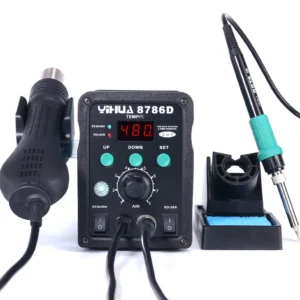
- YIHUA 982: dual-handle, takes C245 and C210 together so you can move between heavy work and fine work on one bench. One handle runs at a time.
- YIHUA 982-V: C245 only, smaller footprint, temperature set on the handle rather than a base unit.
Temperature Guide
| Work | Set the station to |
|---|---|
| Leaded solder | 280 to 320°C |
| Lead-free solder | 320 to 380°C |
| Ground planes and heavy thermal loads | Up to around 400°C |
| Small, heat-sensitive components | The lower end of each range |
Let the cartridge settle at temperature before you start, and clean and tin the tip at the beginning of each session. If a joint is slow, reach for a bigger tip before you reach for more heat.
Making Them Last
- Clean on brass wool, not a wet sponge: Wipe at 250 to 300°C. A wet sponge thermal-shocks the tip every time you use it.
- Re-tin straight after cleaning: A bare tip oxidises. Fresh solder on the tip is what protects the plating.
- Drop the temperature when you pause: Leaving a cartridge sitting at full heat is the fastest way to wear one out.
- Never use abrasives or chemical tip cleaners: Both take the protective plating off, and once that is gone the tip is finished.
- Store dry: Oxidation happens in the drawer as well as on the bench.
Specifications
| Specification | Details |
|---|---|
| Cartridge format | C245 (fits T245 handles) |
| Peak power | 140W |
| Temperature range | 150°C to 450°C |
| Heat-up time | Approximately 2 to 3 seconds |
| Heating element | Integrated in the cartridge, with built-in temperature sensor |
| Connection | Five-pin: heater, thermocouple and ground |
| Element resistance | Approximately 5.5 to 5.7Ω |
| Profiles stocked | C245-I, C245-SI, C245-2.5K, C245-3.2K, C245-4.7K |
| Hot-swappable | Yes, with a T245 handle |
Frequently Asked Questions
Will these fit a genuine JBC station?
They use the standard C245 format: the same five-pin connection, the same heater, thermocouple and ground arrangement, and an element resistance of roughly 5.5 to 5.7Ω, which is what lets a station read temperature accurately. Any station or handle built for T245 cartridges takes them. We sell them as JBC-compatible cartridges rather than as JBC parts.
C245 or C210, which should I buy first?
Buy C245 first unless you know your work is exclusively fine-pitch. C245 runs at 140W and handles through-hole, connectors, wire and ground planes as well as a fair amount of SMD. C210 runs at 40W and is what you add when you find yourself on something the C245 tip is physically too big to reach. Most people end up owning both, and most people are glad they started with C245.
Which single tip should I start with?
The C245-3.2K knife. It covers most general soldering, from SOIC packages to standard through-hole. Add the C245-SI bent conical when you meet an awkward angle, and the C245-4.7K when you meet a ground plane that will not take heat.
Which stations do these work with?
Any station with a T245 handle. From our range that includes the YIHUA 982 dual-handle, which takes C245 and C210 together, and the YIHUA 982-V, which is C245 only in a smaller footprint. The station has to supply the power and the temperature feedback for the cartridge to perform properly.
Can I use a C245 tip to melt threaded inserts into 3D prints?
The C245 format is widely used for heat-set inserts, but it needs a dedicated insert tip rather than a soldering tip, and we do not currently stock one. The soldering profiles listed here are not designed for pressing brass inserts and using them that way will damage the tip.
How long do the cartridges last?
That depends almost entirely on how you treat them. Clean on brass wool at 250 to 300°C rather than a wet sponge, re-tin immediately after cleaning, and drop the temperature when you pause instead of leaving the cartridge sitting at full heat. Treated that way a cartridge lasts a long time. Left dirty and untinned, it oxidises and stops transferring heat.