

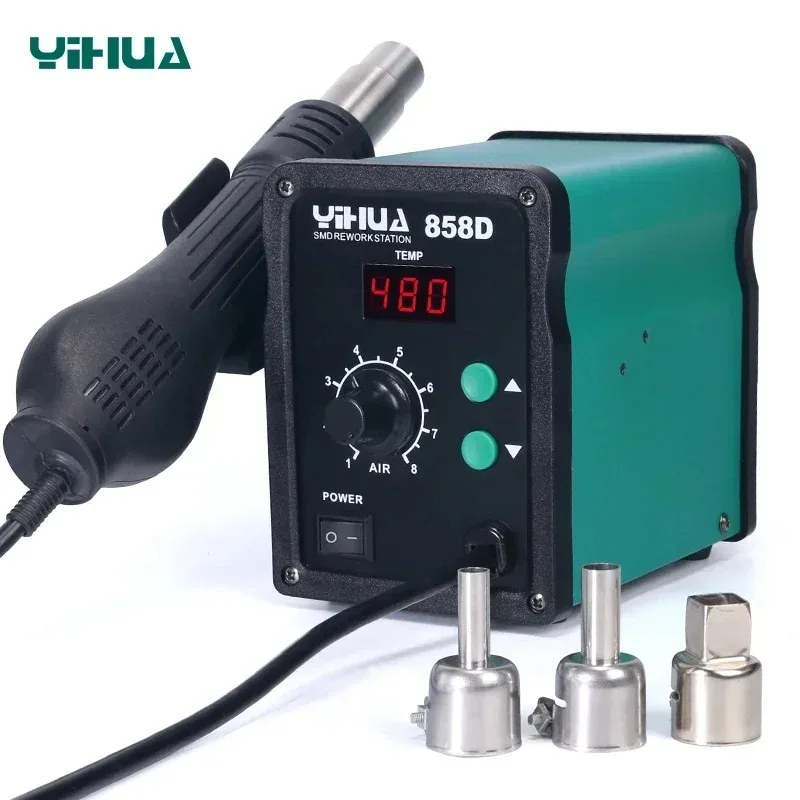


YIHUA 858D: The Hot Air Station Most People Start With
700W | 100-500°C, PID to 1°C | 120 L/min | Auto start/stop | 858-series nozzles
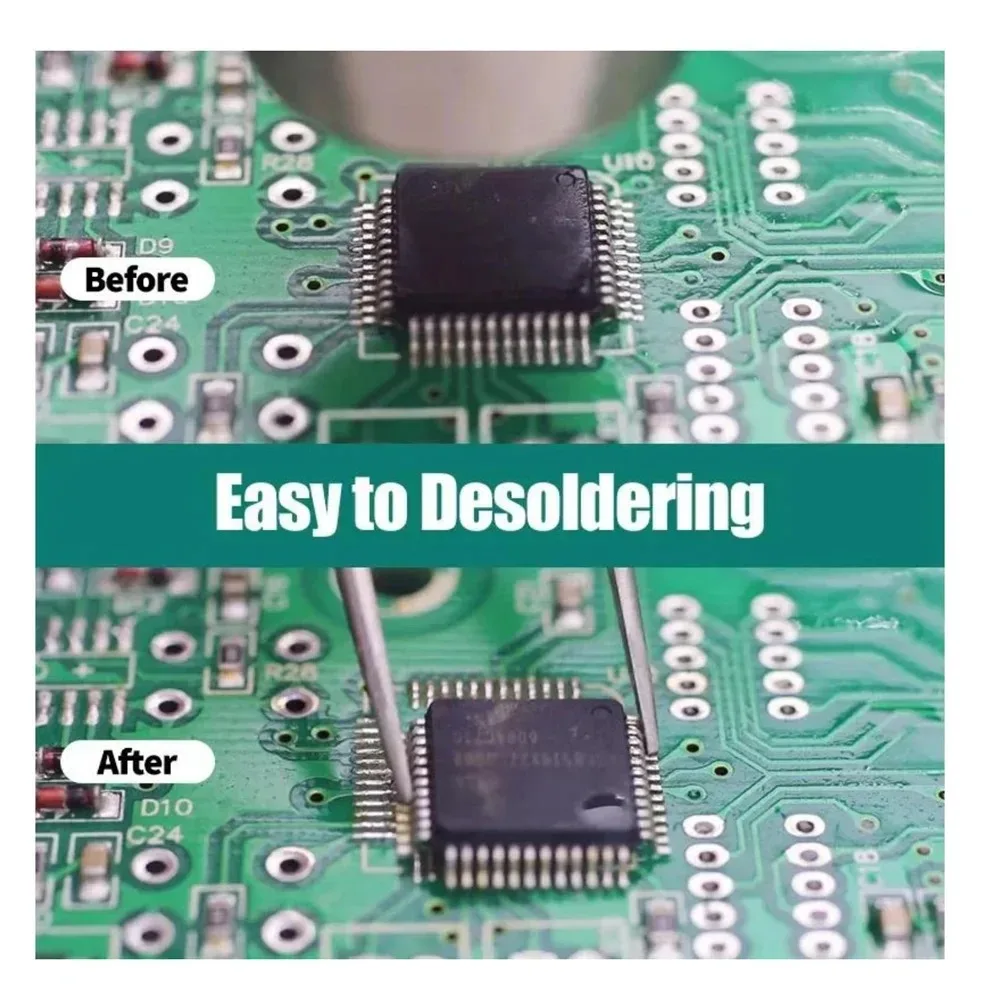
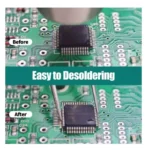
Hot air opens up work a soldering iron cannot touch: reflowing surface-mount parts, lifting multi-pin ICs, shrinking tubing, removing conformal coating. The 858D is the cheapest credible way in. It is genuinely small, it holds temperature properly, and it takes the same nozzles as everything else in the category.
It is a budget station and we would rather be straight about that than sell you a surprise. What it is very good at, and where it runs out of road, is set out below.
Key Features
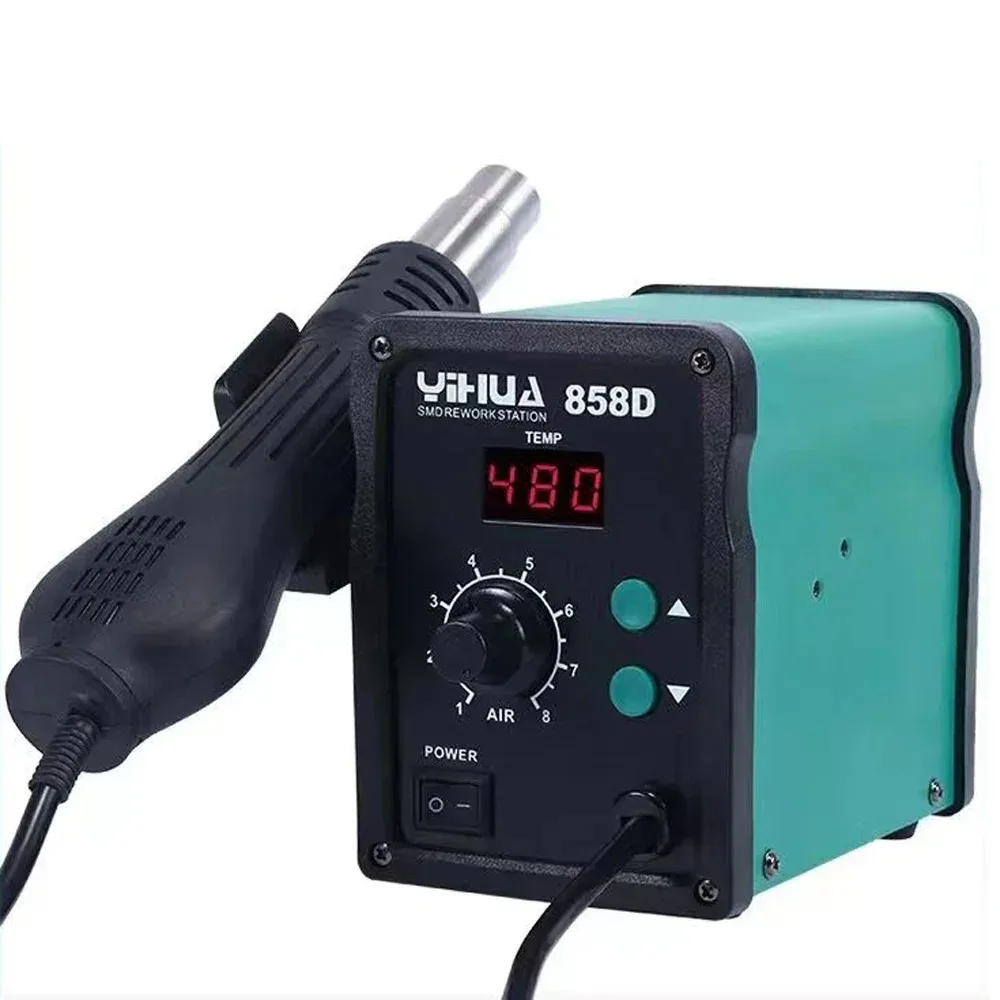
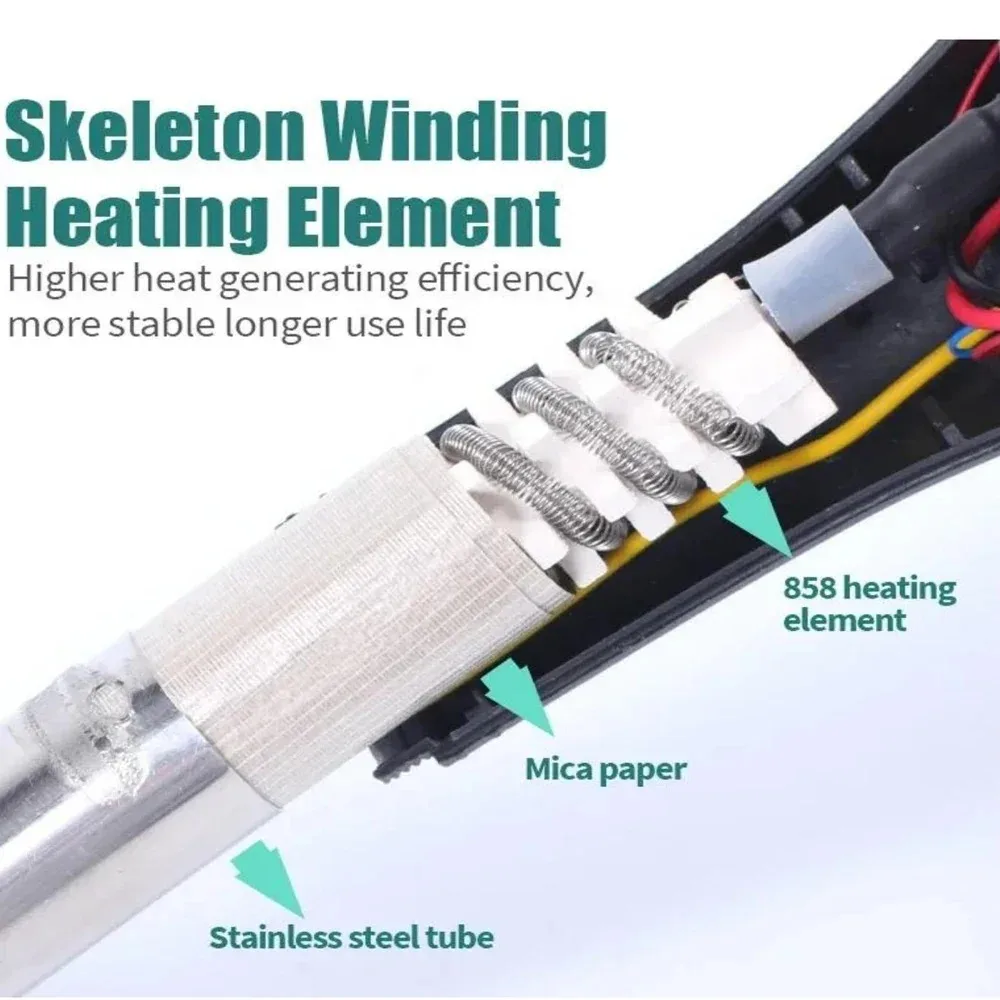
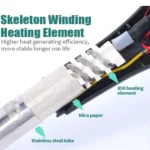
- 700W in a very small box: Ceramic skeleton element and a brushless fan in the handle, pushing up to 120 L/min. The station is about 150 × 100 × 130 mm and 1.55 kg, which is less bench space than a mug.
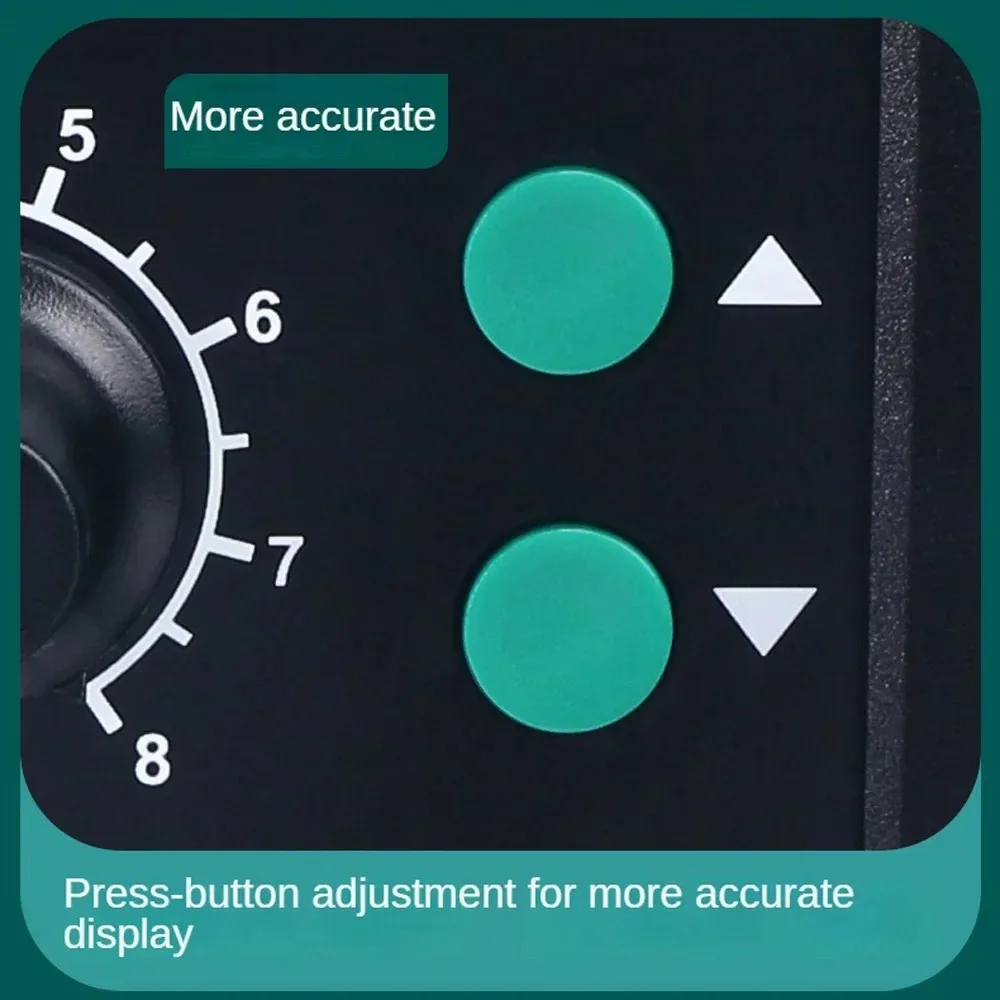
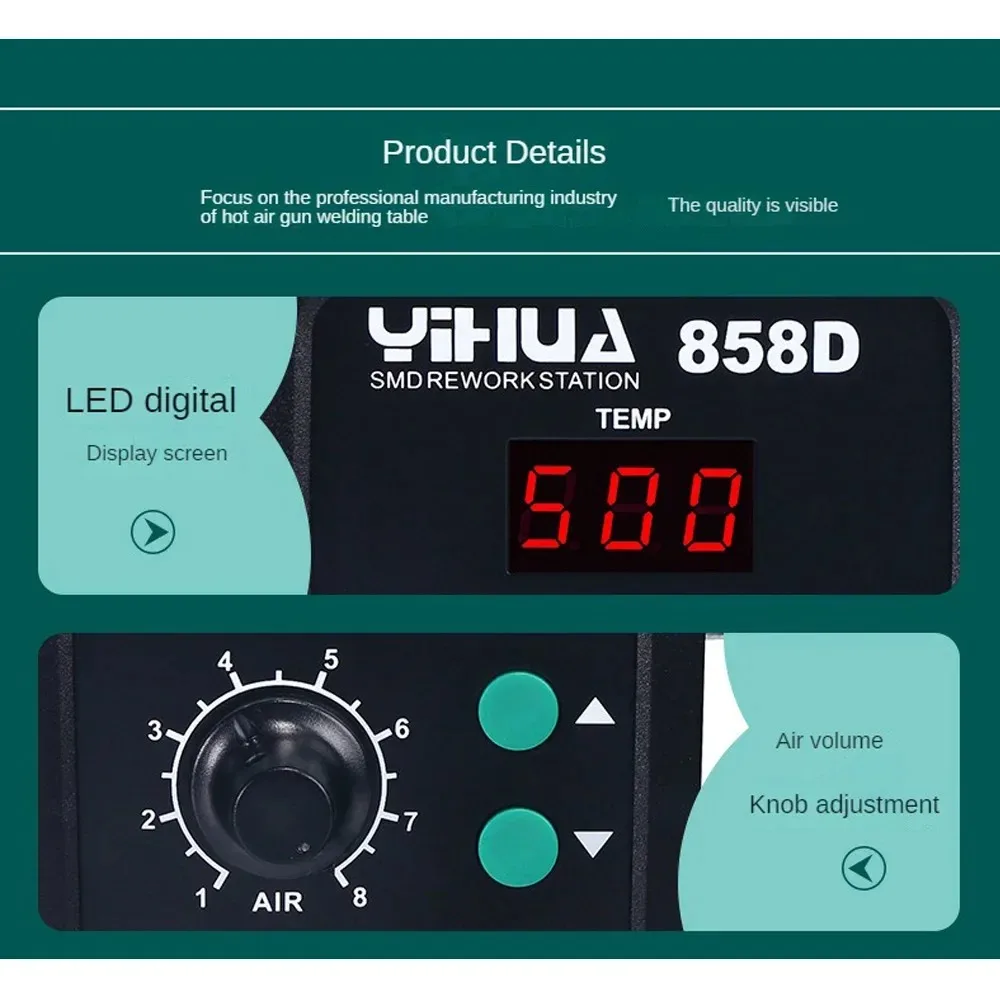
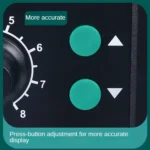
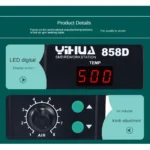
- PID control to 1°C: Set the temperature in single degrees across 100 to 500°C on a 3-digit LED. The loop holds it there rather than hunting.
- Auto start and stop: A reed switch in the handle sees a magnet in the cradle. Put the gun down and it cools to 100°C then shuts off. Pick it up and it comes back. Saves the element and stops you blasting 400°C at your desk.
- Built-in calibration: If the displayed temperature drifts, or you fit a new element, correct it against a thermocouple reading without opening the unit.
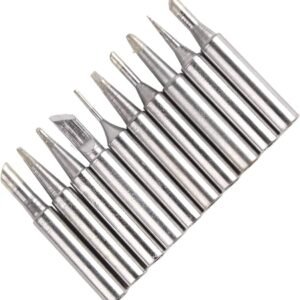
- 858-series nozzles: Three round nozzles included at 5, 8 and 10 mm. The 858 nozzle format is near-universal, so full stainless sets from 3 to 12 mm cost under £10 and BGA nozzles fit.
- Not just for SMD: Heat shrink, conformal coating removal, softening adhesive, soldering plastics, light paint stripping.
Is This the Same 858D Sold Under Other Brands?
Mostly, yes, and it is worth understanding before you buy on price alone. The 858D is a design, not a brand. The same reference layout is sold as ATTEN, JCD, Handskit, Lefavor and plenty of others, with different casework and different quality control.
What actually varies between them is the fan, the heating element, the standard of the board, and whether the mains and low-voltage sections are properly isolated. What varies for you is what happens when one fails: ours ships with a UK plug and cord fitted, a 12-month guarantee and a UK return address.
How It Compares
| YIHUA 858D | YIHUA 959D | Atten ST-862D | Quick 857DW+ | |
|---|---|---|---|---|
| Price | £39 | £55-65 | £150-190 | £120-170 |
| Power | 700W | 700W | 1000W+ | 580W |
| Fan location | In the handle | In the handle | In the base | In the base (BLDC) |
| Memory presets | No | 3 channels | Yes | Yes |
| PID control | Yes | Yes | Yes | Yes |
| Best for | First hot air station, hobby, light repair | Switching settings often | Daily professional rework | Professional, build quality |
The YIHUA 959D is the natural step up if you switch settings often, since it adds three memory channels for the same power. The Atten and Quick are a genuinely different tier: base-mounted fans, more power, better build, and priced accordingly. If you are doing daily professional rework, that is where the money should go. For everyone else the 858D is the value pick, and there is a wider comparison in our best hot air rework station guide.
What It Is Good At, and What It Is Not
| Use case | Typical work | Suits it | Why |
|---|---|---|---|
| SMD soldering and desoldering | Reflowing small surface-mount parts, swapping resistors, capacitors and small ICs | The station's bread and butter | |
| Phone and tablet repair, light | Flex cable work, small connectors, shield removal | Fine for occasional mobile work | |
| Heat shrink and general heat | Tubing, adhesives, conformal coating, light paint stripping | Variable temperature and nozzle choice handle it easily | |
| Hobby electronics and learning | Practising rework, personal projects, Arduino and Pi board mods | The right place to build the skill | |
| Console repair, HDMI and BGA | High thermal mass parts on PS5 and similar boards | Sustained maximum temperature wears the element quickly | |
| Production and high-volume work | Eight-hour days, professional rework benches | Not built for it. The element is a wear item |
Technical Specifications
| Specification | Details |
|---|---|
| Station type | Hot air rework station, SMD soldering and desoldering |
| Power | 700W (230V UK version) |
| Input voltage | AC 220-240V, 50Hz, UK plug |
| Temperature range | 100°C to 500°C (212°F to 932°F) |
| Temperature control | PID, 1°C resolution |
| Display | 3-digit LED |
| Airflow | Up to 120 L/min, brushless fan in the handle |
| Fan noise | Under 45 dB |
| Heater | Ceramic skeleton element |
| Auto start/stop | Yes, reed switch detects a magnet in the cradle |
| Calibration | Built-in digital calibration |
| ESD safe | Yes |
| Handle | Approximately 22.5 cm, 172 g |
| Cable length | Approximately 70 cm, handle to station |
| Station dimensions | Approximately 150 × 100 × 130 mm |
| Weight | Approximately 1.55 kg |
| Housing | Ferro-alloy, high-temperature resistant |
| Nozzles included | 3 round: 5 mm, 8 mm, 10 mm |
| Nozzle compatibility | All 858-series nozzles, 3 mm to 12 mm and BGA |
What’s in the Box
- YIHUA 858D hot air rework station
- Hot air gun handle with brushless fan
- 3 round nozzles: 5 mm, 8 mm, 10 mm
- IC extractor
- Spanner for nozzle changes
- UK power cord and instruction manual
Keeping It Working
- Keep the nozzles clean: Baked-on flux narrows the aperture and changes the airflow you think you are getting.
- Avoid sitting at maximum: Running at 500°C for long stretches is what wears the element out fastest. Use the lowest temperature that does the job.
- Let the auto cool-down finish: Park the gun in the cradle rather than switching off at the wall. The cool-down cycle exists to protect the element.
- Keep a spare element: They are cheap, they are a wear item, and swapping one is a five minute job.
Frequently Asked Questions
Is the YIHUA 858D any good?
For what it is, yes. It is a budget station and it is built like one: a single-sided hand-soldered board, no memory presets, and a heating element that is a wear item under heavy use. What you get for under £40 is genuine PID control to 1°C, auto start and stop, a 100 to 500°C range and a nozzle ecosystem shared across dozens of brands. Thousands of people start here and many never need to move on. If you are doing eight-hour days or regular console BGA work, buy something else.
Are the 858D stations from other brands the same?
Largely, yes. The 858D is a design rather than a brand. You will find it sold as ATTEN, JCD, Handskit, Lefavor and a dozen others, mostly from the same reference layout with different casework and quality control. What varies is the fan, the element, the quality of the board and whether the mains and low-voltage sections are properly isolated. Ours ships with a UK plug and cord, a 12-month guarantee and a UK return address, which is the part that actually differs when something goes wrong.
What temperature should I use for SMD soldering?
Start around 300 to 350°C with moderate airflow for leaded solder, and 350 to 400°C for lead-free. Always start lower and work up, because adding heat is easy and repairing a scorched board is not. Keep the nozzle one to two centimetres off the component and move in a small circle so the heat spreads. Small parts like 0402 and 0603 need less heat and much less airflow, or you will blow them off the pads.
Can I use it for phone repair?
For flex cable work, small connectors, EMI shield removal and reflowing small ICs, yes, and plenty of people do. Charging port assemblies and larger BGA work are possible but slow, and you will want the right nozzle and some patience. For volume phone repair, a more powerful station will pay for itself in time saved.
Which nozzles fit?
Any 858-series nozzle, which is close to a universal standard across brands. Three round nozzles are included at 5 mm, 8 mm and 10 mm. Full stainless sets running 3 mm to 12 mm cost under £10 and are worth having, and BGA nozzles fit too.
Is it safe?
The station works as intended out of the box for the overwhelming majority of users, but we would rather tell you this than not: some 858D variants across various brands have been flagged for thin isolation between the mains section and the low-voltage control section of the board. Check the earth connection is solid when it arrives and that the plug is properly grounded. That is sensible practice with any budget mains tool.
Where can I buy the YIHUA 858D in the UK?
You are on the right page. We ship it from the UK with a UK plug fitted and dispatch same day on orders placed before 2pm, with a 12-month guarantee and 60-day returns. Buying here rather than importing means no customs charges on arrival and a UK address to return to if anything goes wrong.

Reviews
There are no reviews yet.